Understanding American Wagyu Marbling Ratings: Your Guide to Premium Beef Quality
American Wagyu beef is renowned for its exceptional quality, primarily attributed to its marbling ratings. Marbling refers to the intramuscular fat that enhances the flavor, tenderness, and overall eating experience of the beef. Understanding these marbling ratings is crucial for consumers who seek the best quality beef. This guide will delve into the significance of marbling in American Wagyu, how it is measured, and the differences between American and Japanese Wagyu. Additionally, we will explore how sustainable farming practices influence beef quality and provide tips on selecting the best premium Wagyu cuts based on marbling ratings.
What Is Marbling in American Wagyu Beef and Why Does It Matter?
Marbling in American Wagyu beef is the distribution of fat within the muscle, which significantly impacts the meat’s flavor and tenderness. This fat content melts during cooking, resulting in a juicy and flavorful experience. The unique marbling of American Wagyu sets it apart from other beef types, making it a sought-after choice for gourmet cooking and fine dining. Understanding marbling is essential for consumers who want to appreciate the quality of their beef and make informed purchasing decisions.
How Does Marbling Affect Beef Flavor and Tenderness?
Marbling plays a pivotal role in enhancing the flavor and tenderness of beef. The fat within the muscle fibers contributes to a rich, buttery taste that is characteristic of high-quality Wagyu. Studies have shown that higher marbling scores correlate with increased tenderness, making the meat easier to chew and more enjoyable to eat. Consumers often prefer beef with superior marbling due to its enhanced flavor profile and overall eating experience.
What Makes American Wagyu Marbling Unique Compared to Other Beef?
American Wagyu marbling is distinct due to its unique fat distribution and composition. Unlike conventional beef, which may have less intramuscular fat, American Wagyu features a higher concentration of monounsaturated fats, which are known for their health benefits. This results in a more flavorful and tender product. Additionally, the cultural significance of Wagyu in Japan, where it originated, adds to the allure of American Wagyu, as it embodies a commitment to quality and craftsmanship.
Further research delves into the specific characteristics and health advantages of Wagyu marbling, along with factors that influence its development.
Wagyu Marbling: Characteristics, Health Benefits & Influencing Factors
This review addresses the characteristics and health benefit of highly marbled Wagyu and Hanwoo beef. Marbling of Wagyu and Hanwoo beef has been increased in Japan and Korea to meet domestic consumer preferences. Wagyu and Hanwoo cattle have high potential of accumulating intramuscular fat (IMF) and producing highly marbled beef. The IMF content varies depending on the feeding of time, finishing diet, and breed type. IMF increases when feeding time is increased. The rate of IMF increase in grain-fed cattle is faster than that in pasture-fed cattle. Fatty acid composition are also different depending on breeds. Highly marbled Wagyu and Hanwoo beef have higher proportions of monounsaturated fatty acid (MUFA) due to higher concentrations of oleic acid.
Characteristics and health benefit of highly marbled Wagyu and Hanwoo beef, 1988
How Are American Wagyu Marbling Ratings Measured and Graded?
Marbling ratings for American Wagyu are determined through specific grading systems that assess the amount and quality of intramuscular fat. These ratings are crucial for consumers to understand the quality of the beef they are purchasing. The grading process involves visual inspection and scoring based on established criteria.
Innovative research continues to explore advanced methods for precisely evaluating and grading beef marbling.
Fractal Analysis for Wagyu Beef Marbling Grading
This paper proposes the use of fractal analysis for the grading evaluation of beef marbling to specifically on the evaluation of “marbling”, a characteristic feature of Wagyu beef.
Grading Evaluation of Marbling in Wagyu Beef Using Fractal Analysis, 2024
What Are the Key Marbling Score Guides and Scales Used?
Several marbling score guides and scales are utilized to evaluate American Wagyu beef. The most common scales include the USDA grading system, which ranges from Select to Prime, and the Japanese grading system (BMS – Beef Marbling Standard), which uses a numerical score from 1 to 12. These scales help consumers identify the quality of the beef and make informed choices based on their preferences.
How Do USDA and Wagyu-Specific Grading Systems Compare?
The USDA grading system primarily focuses on the overall quality of the beef, including factors such as marbling, maturity, and texture. In contrast, Wagyu-specific grading systems place a greater emphasis on marbling, with detailed criteria that assess the distribution and quality of fat. Understanding these differences is essential for consumers who want to select the best quality beef for their needs.
What Are the Differences Between American and Japanese Wagyu Marbling?
The marbling of American and Japanese Wagyu differs significantly due to various cultural and environmental factors. Japanese Wagyu is often regarded as the gold standard for marbling, with a higher fat content and a unique flavor profile that results from traditional rearing practices and specific cattle genetics.
Research further highlights the distinct marbling characteristics of American Wagyu when compared to other breeds.
American Wagyu Marbling Compared to Angus & Japanese Breeds
American Wagyu steers and to compare them to Angus steers when fed under similar conditions. The marbling score of American Wagyu exceeded that of Angus, and that of American Wagyu exceeded the marbling of Japanese Black x Holstein, indicating the potential for high marbling in American Wagyu.
Growth and carcass characteristics of Angus and American Wagyu steers, DK Lunt, 1993
How Does the Wagyu Marbling Scale Explained Highlight These Differences?
The Wagyu marbling scale illustrates the differences in fat distribution between American and Japanese Wagyu. For instance, Japanese Wagyu often achieves higher marbling scores, reflecting its superior fat quality and distribution. This distinction is crucial for consumers who are looking for the best possible eating experience.
Why Does This Matter for Premium Beef Selection?
Understanding the differences in marbling between American and Japanese Wagyu is vital for consumers when selecting premium beef. Higher marbling scores typically indicate better flavor and tenderness, which can significantly impact the overall dining experience. By being informed about these differences, consumers can make better choices that align with their culinary preferences.
How Does Sustainable Farming Influence American Wagyu Beef Quality?
Sustainable farming practices play a crucial role in enhancing the quality of American Wagyu beef. These practices not only contribute to the health of the environment but also improve the overall quality of the meat produced.
What Sustainable Practices Does Rosewood Beef Use?
Rosewood Beef employs several sustainable farming practices, including rotational grazing and organic feed sourcing. These methods ensure that the cattle are raised in a healthy environment, which positively impacts the quality of the beef. By prioritizing sustainability, Rosewood Beef provides consumers with high-quality products that are ethically sourced.
How Does Sustainability Impact Marbling and Flavor?
Research indicates that sustainable farming practices can enhance the marbling and flavor of beef. Cattle raised on a natural diet and in a low-stress environment tend to produce meat with better marbling and flavor profiles. This connection between sustainability and beef quality is essential for consumers who prioritize ethical sourcing in their purchasing decisions.
How Can You Choose the Best Premium Wagyu Beef Cuts Based on Marbling Ratings?
Selecting the best premium Wagyu beef cuts involves understanding marbling ratings and their implications for flavor and tenderness. Consumers should look for specific characteristics in marbling scores to ensure they are choosing high-quality beef.
What Should You Look for in a Wagyu Beef Marbling Score?
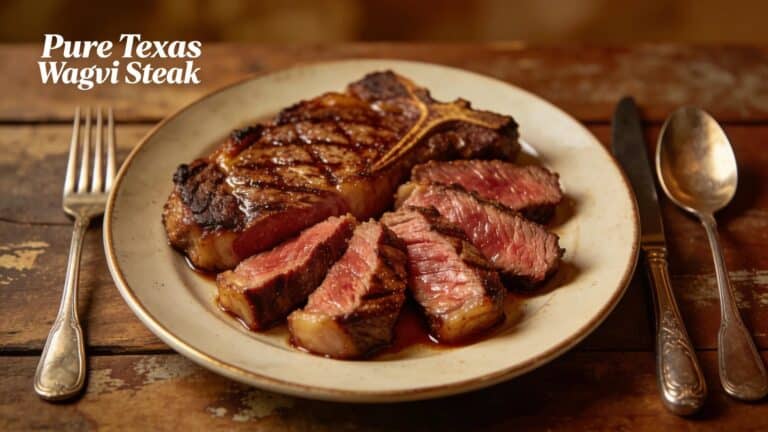
When evaluating Wagyu beef, consumers should consider the marbling score, which indicates the amount of intramuscular fat present. A higher score typically correlates with better flavor and tenderness. For example, in the Japanese BMS scale, a score of 8 or higher is often considered premium quality, providing an exceptional eating experience.
How to Read and Use Marbling Ratings When Buying Beef?
Reading and using marbling ratings effectively can enhance the beef purchasing experience. Consumers should familiarize themselves with the grading systems and look for labels that indicate the marbling score. This knowledge will empower them to make informed choices when selecting premium Wagyu beef cuts.
Different marbling scores can significantly impact the flavor and tenderness of American Wagyu beef. The following table compares various marbling scores and their corresponding characteristics:
For those interested in learning more about sustainable practices and high-quality beef, Rosewood Beef offers detailed information on their farming methods and products.