Discover the Best American Wagyu: A Texas Delight
Discover American Wagyu: Your Guide to Premium Beef Cuts and Sustainable Farming
American Wagyu beef is renowned for its exceptional quality, rich flavor, and unique marbling, making it a sought-after choice for meat enthusiasts. This guide dives into the distinctive characteristics of American Wagyu, its comparison with Japanese Wagyu, and the importance of sustainable farming practices. As consumers become more health-conscious and environmentally aware, understanding the nuances of premium beef cuts and their origins is essential. This article will explore what makes American Wagyu special, the role of Texas Wagyu in this narrative, how to select the best cuts, and the significance of sustainability in beef production.
What Makes American Wagyu Beef So Special?
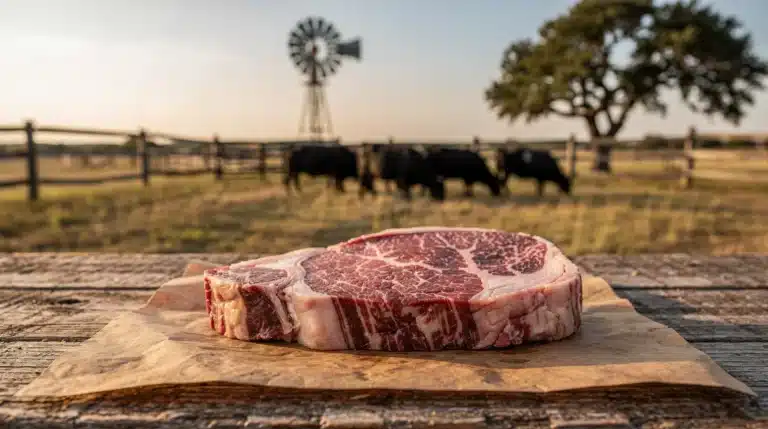
American Wagyu beef stands out due to its unique breeding practices and the meticulous care given to the cattle. This breed is known for its intense marbling, which contributes to its tenderness and flavor. The combination of Japanese genetics and American farming techniques results in a product that offers a rich, buttery taste that is hard to match. The marbling in American Wagyu is not just for show; it enhances the eating experience by providing a melt-in-your-mouth texture that elevates any dish.
How Does American Wagyu Compare to Japanese Wagyu?
When comparing American Wagyu to its Japanese counterpart, several key differences emerge. Japanese Wagyu is often regarded as the gold standard due to its strict grading system and the traditional methods used in its production. American Wagyu, while still high-quality, typically has a different flavor profile and marbling characteristics due to variations in diet and farming practices. The American version tends to be more accessible and offers a unique taste that reflects its diverse breeding and feeding methods. However, Japanese Wagyu generally has higher levels of marbling, rated by the Japanese Beef Marbling Standard (BMS), which can be more intense than most American Wagyu.
Further research highlights the specific characteristics and challenges within the Japanese Wagyu industry that influence its global perception and sustainability efforts.
American Wagyu Origins & Sustainability Challenges
In Japan, Wagyu cattle include four Japanese breeds; Black, Brown, Shorthorn, and Polled. Today, the renowned brand name Wagyu includes not only cattle produced in Japan, but also cattle produced in countries such as Australia and the United States. In recent years, the intramuscular fat percentage in beef (longissimus muscle) from Japanese Black cattle has increased to be greater than 30%. The Japanese Black breed is genetically predisposed to producing carcass lipids containing higher concentrations of monounsaturated fatty acids than other breeds. However, there are numerous problems with the management of this breed including high production costs, disposal of untreated excrement, the requirement for imported feed, and food security risks resulting from various viral diseases introduced by imported feed. The feeding system needs to shift to one that is more efficient, and improves management for farmers, food security for consumers, and the health environment for residents
The Japanese Wagyu beef industry: Current situation and future prospects—A review, 2018
Why Is Marbling Key to Premium Wagyu Steaks?
Marbling is crucial in determining the quality of Wagyu beef. The intramuscular fat found in well-marbled cuts not only enhances flavor but also affects the tenderness of the meat. This fat melts during cooking, resulting in a juicy and flavorful steak. Additionally, marbling primarily contains monounsaturated fats such as oleic acid, which is considered a healthier fat compared to saturated fat. Understanding the importance of “marbling” can help consumers make informed choices when selecting premium beef cuts.
Scientific studies further elaborate on the health benefits and fatty acid profiles that make Wagyu marbling particularly desirable.
Wagyu Marbling, Health Benefits & Fatty Acid Profile
This review addresses the characteristics and health benefit of highly marbled Wagyu and Hanwoo beef. Marbling of Wagyu and Hanwoo beef has been increased in Japan and Korea to meet domestic consumer preferences. Wagyu and Hanwoo cattle have high potential of accumulating intramuscular fat (IMF) and producing highly marbled beef. The IMF content varies depending on the feeding of time, finishing diet, and breed type. IMF increases when feeding time is increased. The rate of IMF increase in grain-fed cattle is faster than that in pasture-fed cattle. Fatty acid composition are also different depending on breeds. Highly marbled Wagyu and Hanwoo beef have higher proportions of monounsaturated fatty acid (MUFA) due to higher concentrations of oleic acid. MUFAs have little effect on total cholesterol. They are heart-healthy dietary fat because they can lower low-density lipoprotein (LDL)-cholesterol while increasing high-density lipoprotein (HDL)-cholesterol.
Characteristics and health benefit of highly marbled Wagyu and Hanwoo beef, 1988
Where Does Texas Wagyu Fit Into the American Wagyu Story?
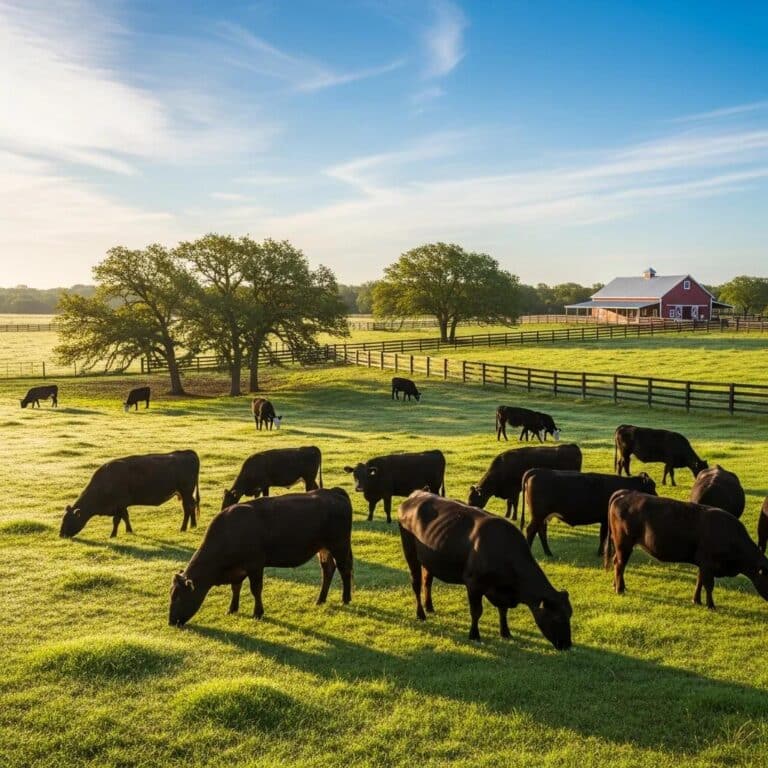
Texas Wagyu has carved out a significant niche within the American Wagyu landscape. The state’s unique climate and farming practices contribute to the distinct flavor and quality of its beef. Texas ranchers have adopted innovative techniques that blend traditional Japanese methods with local practices, resulting in a product that reflects both heritage and modernity.
What Are the Unique Farming Practices of Texas Wagyu Ranches?
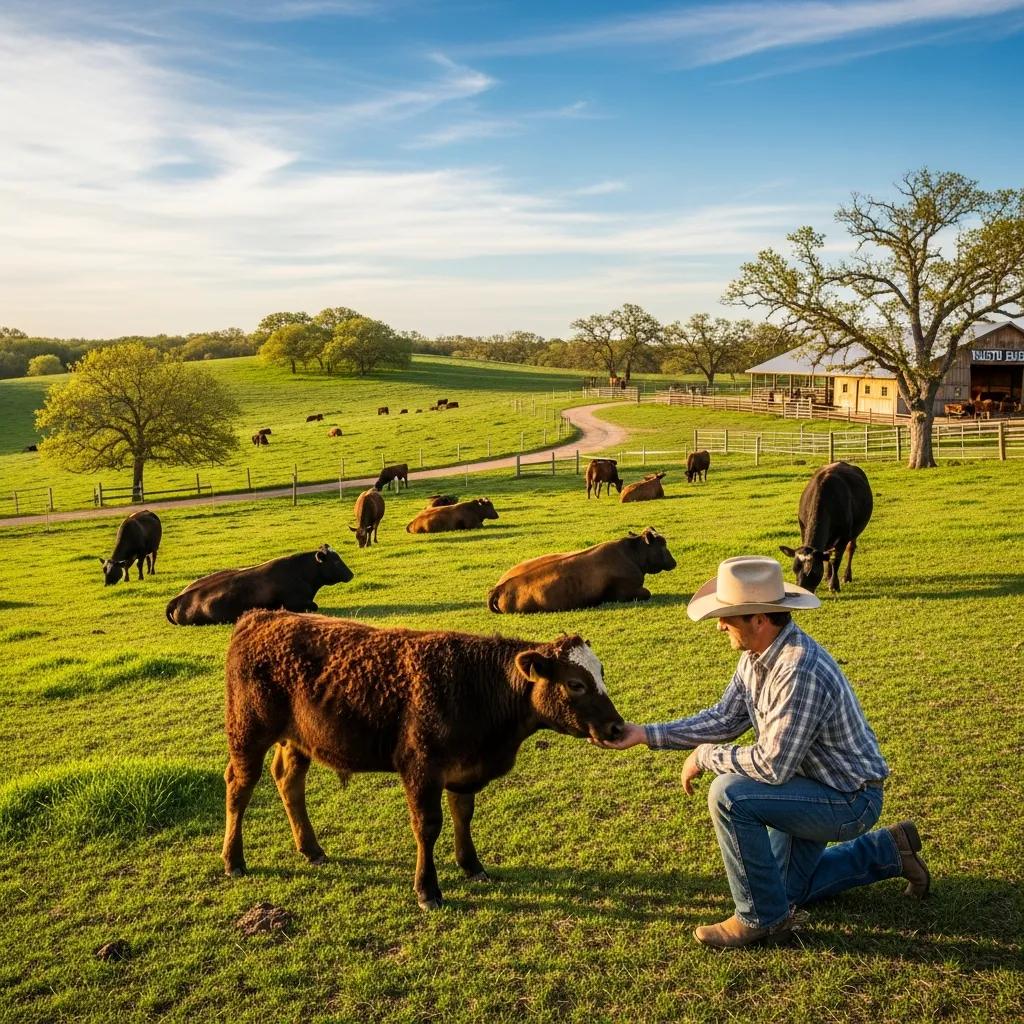
Texas Wagyu ranches often emphasize sustainable farming practices that prioritize animal welfare and environmental stewardship. Many ranchers utilize a combination of grass-fed and grain-finished diets, which not only enhance the flavor of the beef but also promote healthier cattle. This approach reduces the environmental impact of beef production and aligns with the growing consumer demand for ethically sourced products.
How Does Texas Wagyu Reflect Local Quality and Tradition?
The cultural significance of Texas Wagyu is deeply rooted in the state’s ranching heritage. Local traditions influence the way cattle are raised and cared for, ensuring that the beef produced is of the highest quality. This commitment to quality and tradition is evident in the flavor and texture of Texas Wagyu, making it a favorite among chefs and food enthusiasts alike.
How Can You Choose the Best Wagyu Beef Cuts for Your Table?
Selecting the right Wagyu beef cuts can elevate your dining experience. Understanding the different cuts available and their unique characteristics is essential for making informed choices.
Which Premium Beef Cuts Offer the Best Flavor and Tenderness?
When it comes to premium Wagyu cuts, several options stand out for their flavor and tenderness:
- Ribeye: Known for its rich marbling and robust flavor, the ribeye is a favorite for grilling.
- Filet Mignon: This cut is prized for its tenderness and subtle flavor, making it perfect for special occasions.
- Brisket: A traditional cut that benefits from slow cooking, resulting in a melt-in-your-mouth texture.
These cuts not only provide a range of flavors but also showcase the unique qualities of Wagyu beef.
What Cooking Tips Bring Out the Best in Wagyu Steaks?
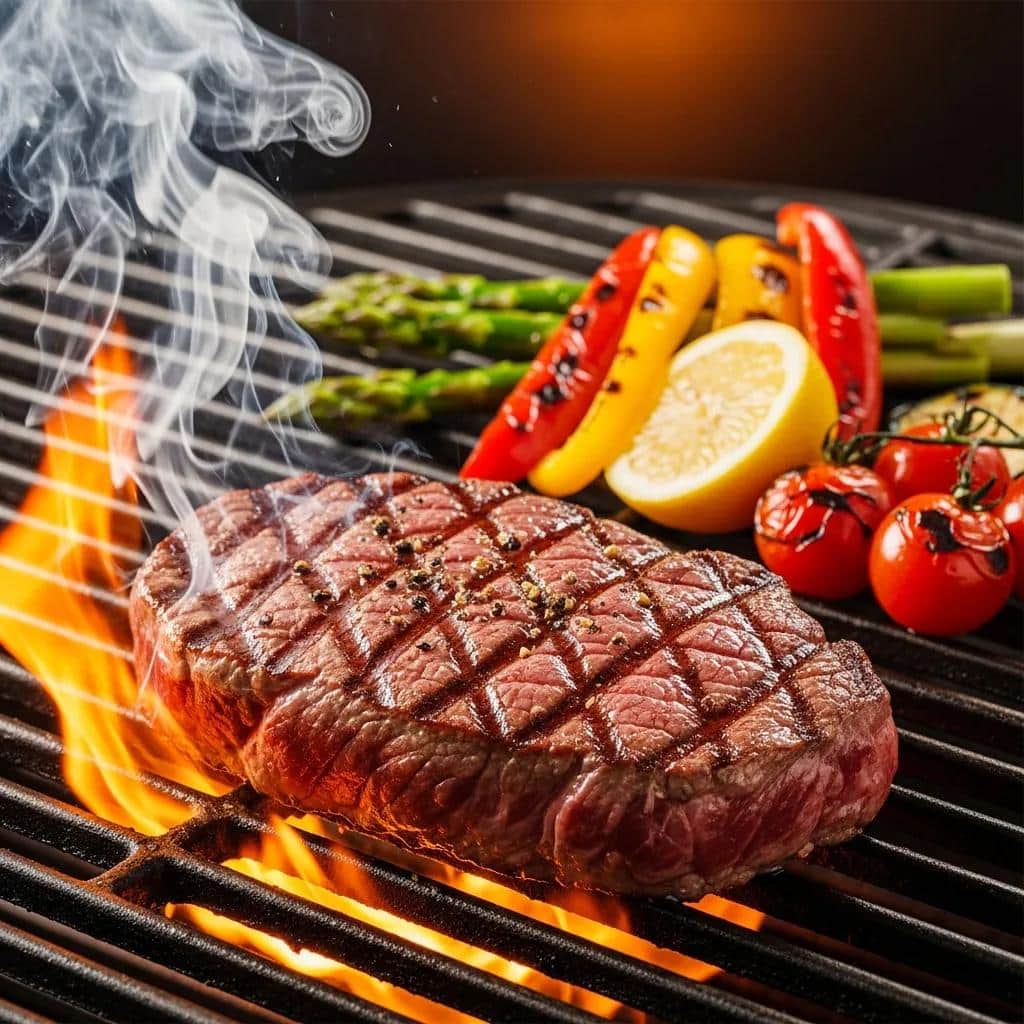
To maximize the flavor and tenderness of Wagyu steaks, consider the following cooking tips:
- Sear at High Heat: Start with a hot grill or pan to create a flavorful crust while keeping the inside tender.
- Use Minimal Seasoning: Let the natural flavors shine by using simple seasonings like salt and pepper.
- Rest Before Serving: Allow the steak to rest after cooking to let the juices redistribute, ensuring a juicy bite.
These techniques will help you achieve the best results when preparing Wagyu beef at home.
Why Is Sustainable Farming Important for American Wagyu?
Sustainable farming practices are crucial for the future of American Wagyu. These methods not only enhance the quality of the beef but also contribute to environmental conservation.
The broader context of global beef demand underscores the varying perceptions and critical importance of sustainability in beef production worldwide.
Global Beef Demand & Sustainability Perceptions
The demand for beef as a protein source is increasing worldwide, although in most countries beef accounts for considerably less than half of total meat consumption. Beef also provides a highly desirable eating experience in developed countries and, increasingly, in developing countries. The sustainability of beef production has different meanings in the various geographical and socio-economic regions of the world. Natural resources including land mass and uses, rainfall and access to livestock feed, and the robustness of the economy are major determinants of the perception of beef sustainability.
Current situation and future prospects for global beef production: overview of special issue, SB Smith, 2018
How Do Sustainable Practices Impact Beef Quality and Environment?
Sustainable practices, such as rotational grazing and organic feed, can significantly improve the quality of beef. These methods promote healthier cattle and reduce the environmental footprint of beef production. By prioritizing sustainability, ranchers can produce high-quality beef while also protecting natural resources for future generations.
What Certifications and Standards Ensure Ethical Wagyu Farming?
Several certifications and standards help ensure that Wagyu beef is produced ethically. These include:
- Grass-Fed Certification: Ensures cattle are raised primarily on a natural diet, promoting better health and flavor.
- Animal Welfare Approved: Guarantees that animals are treated humanely throughout their lives.
- Sustainable Agriculture Certification: Recognizes farms that implement environmentally friendly practices.
These certifications provide consumers with confidence in the quality and ethical standards of the beef they purchase.