Understanding Texas Raised Wagyu Beef Classification: Your Guide to Premium Grades and Sustainable Farming
Texas raised Wagyu beef is renowned for its exceptional quality and unique flavor profile, making it a sought-after choice for meat lovers. This article delves into the classification of Texas raised Wagyu beef, exploring its grading system, the importance of sustainable farming practices, and the benefits of choosing premium cuts. As consumers become more discerning about their food sources, understanding the nuances of Wagyu beef classification can enhance your culinary experiences. We will also highlight how sustainable farming practices contribute to the quality of this premium meat, ensuring that you make informed choices when purchasing. The sections will cover what makes Texas raised Wagyu unique, how it is graded, the benefits of premium cuts, and the sustainable practices employed by producers like Rosewood Beef.
What Makes Texas Raised Wagyu Beef Unique?
Texas raised Wagyu beef stands out due to its rich marbling, tenderness, and flavor, which are results of specific breeding practices and environmental conditions. The unique characteristics of Texas Wagyu are influenced by the cattle’s diet, which often includes high-quality forage and grains, leading to superior fat distribution. This results in a buttery texture and a depth of flavor that is hard to match. Additionally, the climate and farming techniques in Texas contribute to the overall health and quality of the cattle, making Texas Wagyu a premium choice for consumers.
How Does Texas Wagyu Differ from Other Wagyu Beef?
Texas Wagyu differs from its Japanese counterparts primarily in its breeding and feeding practices. While traditional Japanese Wagyu is often raised in a highly controlled environment with specific diets, Texas Wagyu benefits from a more diverse diet and larger grazing areas. This results in a unique flavor profile that combines the rich, buttery taste of Wagyu with the robust flavors of Texas beef. Furthermore, the breeding practices in Texas often involve crossbreeding with American cattle, especially Angus, enhancing the meat’s flavor and texture.
While Texas Wagyu benefits from diverse diets and grazing, the traditional Japanese Wagyu industry faces its own set of challenges regarding production costs and sustainable practices.
Sustainable Wagyu Farming & Global Production
Today, the renowned brand name Wagyu includes not only cattle produced in Japan, but also cattle produced in countries such as Australia and the United States. In recent years, the intramuscular fat percentage in beef (longissimus muscle) from Japanese Black cattle has increased to be greater than 30%. The Japanese Black breed is genetically predisposed to producing carcass lipids containing higher concentrations of monounsaturated fatty acids than other breeds. However, there are numerous problems with the management of this breed including high production costs, disposal of untreated excrement, the requirement for imported feed, and food security risks resulting from various viral diseases introduced by imported feed. The feeding system needs to shift to one that is more efficient, and improves management for farmers, food security for consumers, and the health environment for residents
The Japanese Wagyu beef industry: Current situation and future prospects—A review, 2018
Why Is Sustainable Farming Important for Texas Wagyu?
Sustainable farming practices are crucial for the production of Texas Wagyu beef, as they ensure the health of the environment and the quality of the meat. Sustainable methods reduce the carbon footprint of cattle farming, promote biodiversity, and enhance soil health. Consumers are increasingly demanding sustainably sourced products, and Texas Wagyu producers are responding by implementing practices that not only benefit the environment but also improve the quality of the beef. This commitment to sustainability is essential for the long-term viability of the industry and the health of the planet.
How Is Texas Wagyu Beef Graded and Classified?
The grading and classification of Texas Wagyu beef are essential for understanding its quality and value. The grading system evaluates various factors, including marbling, color, and texture, which are critical indicators of meat quality. Texas Wagyu is often graded using a combination of USDA standards and specific Texas criteria, ensuring that consumers receive the highest quality products.
What Are the Key Wagyu Beef Grades and Marbling Scores?
Wagyu beef is typically classified in Japan with marbling scores that correspond to Beef Marbling Standard (BMS) numbers from 1 to 12, with higher numbers indicating higher marbling intensity. The Japanese grading scale and the Meat Grading Association (JMGA) grades combine yield grade (A, B, C) and quality grade (1-5), where A5 is the highest quality, representing the top marbling and overall quality. The following table summarizes the key grades and their characteristics, aligning with these standards:
This grading system helps consumers make informed choices when selecting Wagyu beef, ensuring they understand the quality they are purchasing.
How Do Texas-Specific Grading Standards Work?
Texas-specific grading standards build upon the USDA grading system, which includes Prime, Choice, and Select grades, focusing largely on marbling and maturity. While USDA standards are primary, Texas Wagyu producers may incorporate additional quality controls regarding cattle genetics, feed regimen, and aging processes to differentiate their product. These standards consider factors such as the cattle’s diet, age, and overall health, which can significantly impact the quality of the meat. By adhering to these standards, producers can ensure that their Texas Wagyu meets the expectations of discerning consumers while promoting sustainable practices.
Why Should You Choose Premium Texas Wagyu Beef Cuts?
Choosing premium Texas Wagyu beef cuts offers numerous benefits, including superior flavor, tenderness, and health advantages. The rich marbling found in premium cuts enhances the overall eating experience, making it a favorite among chefs and home cooks alike. Additionally, Wagyu beef is known for its higher levels of monounsaturated fats and conjugated linoleic acid (CLA), which can contribute to a healthier fat profile compared to conventional beef.
Which Premium Beef Cuts Are Popular in Texas Wagyu?
Some of the most popular premium cuts of Texas Wagyu include:
- Ribeye: Known for its rich marbling and flavor, perfect for grilling.
- Filet Mignon: Tender and buttery, ideal for special occasions.
- Brisket: A Texas staple, great for slow cooking and barbecuing.
These cuts not only provide exceptional taste but also versatility in cooking methods, making them suitable for various culinary applications.
How Does Marbling Impact Flavor and Quality?
Marbling plays a crucial role in the flavor and quality of Wagyu beef. The intramuscular fat found in marbled cuts melts during cooking, resulting in a juicy and flavorful eating experience. Higher marbling scores typically indicate a more tender and flavorful product, making marbling a key factor in the overall quality of the beef. Consumers seeking the best flavor and texture should prioritize cuts with higher marbling scores.
What Sustainable Farming Practices Does Rosewood Beef Use?
Rosewood Beef is committed to sustainable farming practices that enhance the quality of their Texas raised Wagyu beef. These practices include rotational grazing, which helps maintain soil health and reduce erosion, as well as a focus on animal welfare. By prioritizing sustainability, Rosewood Beef ensures that their cattle are raised in a healthy environment, resulting in superior meat quality.
How Does Sustainable Cattle Farming Benefit You and the Environment?
Sustainable cattle farming practices benefit both consumers and the environment. By reducing the environmental impact of beef production, these practices help preserve natural resources and promote biodiversity. Additionally, sustainably raised beef is often of higher quality, providing consumers with a healthier and more flavorful product. This approach not only supports the environment but also aligns with the growing consumer demand for ethically sourced food.
What Certifications Back Rosewood Beef’s Sustainable Claims?
Rosewood Beef’s commitment to sustainability is backed by various certifications that demonstrate their adherence to high standards. These certifications include:
- Grass-Fed Certification: Ensures cattle are raised primarily on pasture.
- Animal Welfare Approved: Guarantees humane treatment of animals.
- Sustainable Agriculture Certification: Validates environmentally friendly farming practices.
These certifications provide consumers with confidence in the quality and sustainability of the beef they purchase.
How Can You Understand and Use Wagyu Marbling Scores?
Understanding Wagyu marbling scores is essential for selecting high-quality beef. Marbling scores indicate the amount of intramuscular fat present in the meat, which directly affects flavor and tenderness. By familiarizing yourself with these scores, you can make informed decisions when purchasing Wagyu beef.
What Does the Marbling Score Tell You About Beef Quality?
The marbling score is a critical indicator of beef quality, with higher scores generally correlating with better flavor and tenderness. An A5 score indicates exceptional marbling, while lower scores may suggest a less desirable eating experience. Consumers should look for higher marbling scores when selecting Wagyu beef to ensure they are getting the best quality.
How Can Visual Guides Help You Choose the Best Wagyu?
Visual guides can be invaluable tools for consumers looking to understand Wagyu marbling scores. These guides often include images and descriptions of different marbling levels, helping buyers identify quality cuts at the store or market. By using these resources, consumers can enhance their purchasing decisions and enjoy the superior taste of high-quality Wagyu beef.
Where Can You Find and Enjoy Texas Raised Wagyu Beef?
Finding and enjoying Texas raised Wagyu beef is easier than ever, with many farms and retailers offering premium cuts. Whether you are looking for a special occasion meal or a delicious everyday option, Texas Wagyu provides a unique culinary experience.
Which Texas Wagyu Farms Offer Premium Cuts?
Several Texas Wagyu farms are known for their premium cuts, including:
- Rosewood Beef: Specializes in high-quality Texas raised Wagyu, focusing on sustainable practices.
- Texas Wagyu Company: Offers a variety of cuts and direct-to-consumer sales.
- HeartBrand Beef: Known for their unique breeding program and exceptional meat quality.
These farms provide consumers with access to some of the best Wagyu beef available, ensuring a memorable dining experience.
How Can You Cook and Serve Texas Wagyu for Best Results?
Cooking Texas Wagyu requires attention to detail to maximize its flavor and tenderness. Here are some tips for preparing and serving this premium beef:
- Use High Heat: Sear the meat at high temperatures to lock in juices.
- Let It Rest: Allow the beef to rest after cooking to enhance tenderness.
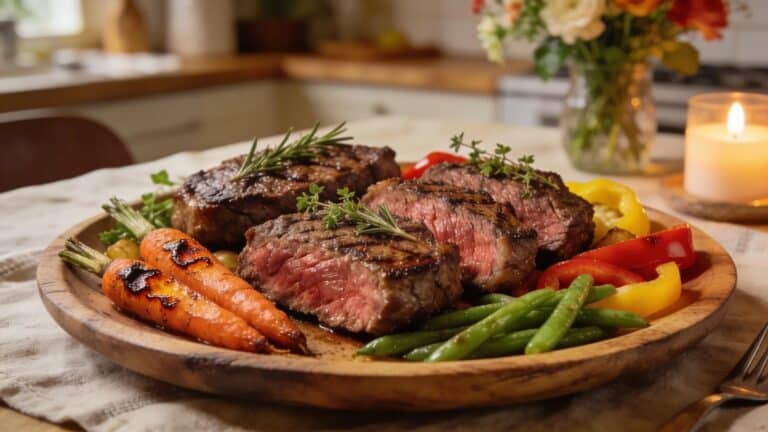
- Pair with Simple Sides: Complement the rich flavor of Wagyu with light sides, such as grilled vegetables or a fresh salad.
By following these tips, you can enjoy the full flavor and quality of Texas raised Wagyu beef in your meals.