Why Sustainable Farming Matters When It Comes to Texas Wagyu
Sustainable farming practices are increasingly recognized as essential for producing high-quality beef, particularly in the context of Texas Wagyu. This article delves into the significance of sustainable farming, exploring how it enhances the quality, flavor, and ethical standards of Wagyu beef. Readers will learn about the various sustainable practices that Texas ranchers employ, the benefits of these methods, and how they contribute to the overall excellence of Wagyu beef. As consumers become more health-conscious and environmentally aware, understanding the impact of sustainable farming on beef production is crucial. This article will cover the definitions of sustainable practices, regenerative ranching techniques, and the health and environmental benefits of choosing sustainable Wagyu beef.
What Defines Sustainable Beef Farming Practices in Texas Wagyu Ranches?
Sustainable beef farming practices in Texas Wagyu ranches focus on maintaining ecological balance while producing high-quality beef. These practices include pasture-raised cattle, which benefit from natural grazing and contribute to ecosystem health. Additionally, community engagement in sustainable practices fosters a sense of responsibility among ranchers and consumers alike. By prioritizing animal welfare and environmental stewardship, Texas Wagyu producers ensure that their farming methods support both the land and the livestock.
This commitment to sustainable management addresses many of the inherent challenges faced by the broader Wagyu production industry.
Wagyu Production Challenges: Shifting to Sustainable Management
Today, the renowned brand name Wagyu includes not only cattle produced in Japan, but also cattle produced in countries such as Australia and the United States. However, there are numerous problems with the management of this breed including high production costs, disposal of untreated excrement, the requirement for imported feed, and food security risks resulting from various viral diseases introduced by imported feed. The feeding system needs to shift to one that is more efficient, and improves management for farmers, food security for consumers, and the health environment for residents
The Japanese Wagyu beef industry: Current situation and future prospects—A review, 2018
Rosewood Beef exemplifies these sustainable practices, emphasizing their commitment to ethical sourcing and environmental stewardship. Their focus on pasture-raised cattle not only enhances the quality of their Texas Wagyu beef but also aligns with the growing consumer demand for sustainably produced food.
Which Regenerative Ranching Techniques Enhance Texas Wagyu Quality?
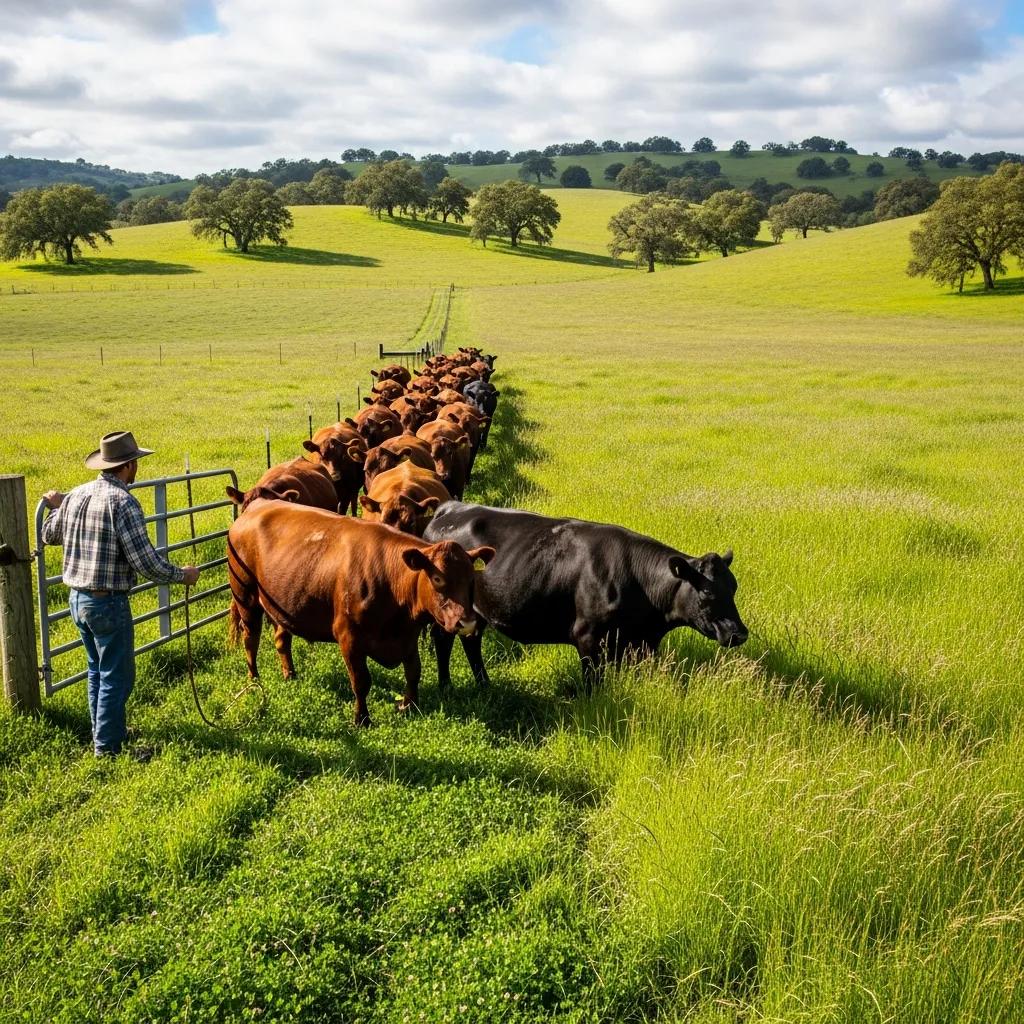
Regenerative ranching techniques play a vital role in enhancing the quality of Texas Wagyu beef. These methods include sustainable land management practices that improve soil health and biodiversity. Techniques such as rotational grazing allow cattle to graze on different pastures, promoting grass regrowth and reducing soil erosion. This approach not only benefits the cattle but also contributes to the overall health of the ecosystem.
Furthermore, precision breeding techniques are employed to enhance the genetic quality of Wagyu cattle, ensuring that the beef produced meets high standards of marbling and flavor. By integrating these regenerative practices, Texas ranchers can produce superior Wagyu beef that stands out in the market.
How Do Ethical Wagyu Beef Producers in Texas Ensure Environmental Stewardship?
Ethical Wagyu beef producers in Texas prioritize environmental stewardship through various initiatives. These include wetland restoration efforts that enhance local ecosystems and promote biodiversity. Additionally, rotational grazing benefits the land by preventing overgrazing and allowing pastures to recover. Community education initiatives further support sustainable practices by informing consumers about the importance of ethical sourcing.
By adopting these practices, producers not only improve the quality of their beef but also contribute positively to the environment. This commitment to sustainability resonates with health-conscious consumers who seek products that align with their values.
How Does Sustainable Farming Improve the Premium Quality and Flavor of Texas Wagyu?
Sustainable farming significantly impacts the premium quality and flavor of Texas Wagyu beef. The emphasis on marbling, which is a key characteristic of high-quality Wagyu, is enhanced through sustainable practices that prioritize animal welfare. Cattle raised in stress-free environments tend to produce beef with superior flavor profiles and tenderness.
Moreover, consumer demand for quality has led ranchers to adopt practices that not only meet but exceed industry standards. By focusing on sustainable farming, Texas Wagyu producers can deliver a product that is not only delicious but also ethically produced.
What Role Does Marbling and Breed Play in Sustainable Wagyu Beef Excellence?
Marbling and breed are critical factors in the excellence of sustainable Wagyu beef. The marbling score, which indicates the amount of intramuscular fat, directly affects the flavor and tenderness of the meat. High-quality breeds, such as the Japanese Black, are known for their exceptional marbling characteristics.
Sustainable ranching practices enhance these traits by ensuring that cattle are raised in optimal conditions. This includes providing a balanced diet and minimizing stress, which ultimately leads to superior beef quality. Understanding the relationship between breed, marbling, and sustainable practices is essential for appreciating the unique qualities of Texas Wagyu.
How Does Sustainable Ranching Influence Wagyu Beef’s Texture and Nutritional Profile?
Sustainable ranching practices have a profound influence on the texture and nutritional profile of Wagyu beef. Cattle raised on pasture diets tend to produce meat that is not only more flavorful but also richer in essential nutrients. The natural grazing process allows cattle to develop healthier fat profiles, including higher levels of omega-3 fatty acids.
Additionally, the focus on animal welfare in sustainable ranching contributes to better meat texture. Stress-free cattle produce beef that is more tender and palatable, enhancing the overall dining experience. As consumers become more health-conscious, the nutritional benefits of sustainably raised Wagyu beef are increasingly recognized.
What Are the Health and Environmental Benefits of Choosing Sustainable Wagyu Beef?
Choosing sustainable Wagyu beef offers numerous health and environmental benefits. From a health perspective, sustainably raised Wagyu is often free from hormones and antibiotics, making it a safer choice for consumers. The higher omega-3 content in pasture-raised beef also contributes to better heart health.
Environmentally, sustainable farming practices reduce the carbon footprint associated with beef production. By implementing strategies such as rotational grazing and improved land management, ranchers can significantly decrease greenhouse gas emissions and water usage. This dual benefit of health and environmental sustainability makes choosing Texas Wagyu a responsible choice for consumers.
This table illustrates the significant health benefits associated with choosing sustainable Wagyu beef, highlighting its advantages over conventionally raised alternatives.
How Does Sustainable Texas Wagyu Reduce Carbon Footprint and Water Usage?
Sustainable Texas Wagyu production actively reduces carbon footprints and water usage through innovative ranching practices. By utilizing rotational grazing, ranchers can enhance soil health, which in turn sequesters carbon and reduces greenhouse gas emissions. This method not only benefits the environment but also improves pasture quality for the cattle.
Experts from institutions like Texas A&M University further emphasize the significant role of regenerative grazing in mitigating the carbon footprint of grass-fed beef.
Regenerative Grazing in Texas: Carbon Footprint of Grass-fed Beef
Texas A&M University recalls his impressions on his first visits to farms doing regenerative grazing, highlighting factors to consider when comparing the carbon footprints of corn-fed and grass-fed beef.
Grass-fed Beef for a Post-pandemic World: How Regenerative Grazing Can Restore Soils and Stabilize the Climate, 2022
Water conservation practices, such as rainwater harvesting and efficient irrigation systems, further contribute to sustainability. These efforts ensure that water resources are used judiciously, minimizing waste and promoting long-term ecological balance. As consumers become more aware of environmental issues, the importance of sustainable practices in beef production cannot be overstated.
What Are the Omega-3 and Hormone-Free Advantages of Ethically Raised Wagyu?
Ethically raised Wagyu beef offers distinct advantages, particularly in terms of omega-3 content and hormone-free production. The natural diet of pasture-raised cattle leads to higher omega-3 fatty acid levels, which are beneficial for cardiovascular health. This nutritional advantage is a significant selling point for health-conscious consumers.
Research further supports the superior nutritional profile of pasture-raised Wagyu, particularly concerning its omega-3 fatty acid content.
Wagyu Beef Quality: Pasture-Based Omega-3 Fatty Acids
We investigated breed and gender variations in the compositions of long-chain (≥ C20) omega-3 polyunsaturated fatty acids (LC omega-3 PUFA), fat melting point (FMP) and intramuscular fat (IMF) contents in biopsy samples of theM. longissimus dorsimuscle of grazing beef cattle. The hypothesis that biopsy compositions of health-beneficial LC omega-3 PUFA, FMP and IMF in a pasture-based production system will vary with breed, was tested. The highest ALA, DPA, total EPA + DHA, total EPA + DHA + DPA and total ALA + EPA + DHA + DPA contents were detected in the Wagyu breed (P≤ 0.03).
… long-chain omega-3 polyunsaturated fatty acid compositions, IMF and FMP in Australian pasture-based Bowen Genetics Forest Pastoral Angus, Hereford, and Wagyu …, JR Otto, 2024
Moreover, the absence of hormones in ethically raised Wagyu beef aligns with the growing demand for clean, natural food sources. Consumers are increasingly seeking products that are free from artificial additives, making sustainable Wagyu an attractive option. The combination of health benefits and ethical considerations positions Texas Wagyu as a premium choice in the beef market.
Where Can Discerning Chefs Source Premium Sustainable Wagyu Beef in Dallas?
Discerning chefs looking for premium sustainable Wagyu beef in Dallas can turn to Rosewood Beef, a leader in ethical Wagyu production. Located at 2101 Cedar Springs Rd, Dallas, TX 75201, Rosewood Beef offers a range of high-quality beef products that adhere to sustainable farming practices. Chefs can contact them at (214) 849-9290 to inquire about sourcing options and quality certifications.
Rosewood Beef’s commitment to sustainable ranching ensures that chefs receive not only exceptional flavor but also peace of mind knowing their ingredients are ethically sourced. This dedication to quality and sustainability makes Rosewood Beef a preferred choice among culinary professionals.
What Makes Rosewood Beef a Leader Among Ethical Wagyu Beef Producers in Texas?
Rosewood Beef stands out as a leader among ethical Wagyu beef producers in Texas due to its unwavering commitment to sustainable practices. The company prioritizes animal welfare, ensuring that cattle are raised in environments that promote their health and well-being. This focus on ethical treatment translates into superior beef quality, characterized by rich flavor and tenderness.
Additionally, Rosewood Beef implements rigorous quality assurance measures to maintain high standards throughout the production process. By combining ethical sourcing with exceptional culinary quality, Rosewood Beef has established itself as a trusted name in the Texas Wagyu market.
How Does Rosewood Beef’s Commitment to Sustainable Ranching Support Culinary Excellence?
Rosewood Beef’s commitment to sustainable ranching directly supports culinary excellence by providing chefs with high-quality ingredients that enhance their dishes. The stewardship of land and cattle ensures that the beef produced is not only flavorful but also aligns with the values of health-conscious consumers.
Chefs appreciate the trust that comes with sourcing from a producer dedicated to ethical practices. This relationship fosters a deeper connection between the ranch and the kitchen, allowing culinary professionals to create dishes that reflect their commitment to sustainability and quality. As the demand for premium, ethically sourced ingredients continues to grow, Rosewood Beef remains at the forefront of the movement.