Grass-Fed Beef Benefits for Health-Conscious Families: Nutrition, Sustainability, and Culinary Excellence
Grass-fed beef has gained significant attention among health-conscious families due to its promising advantages in nutrition, sustainability, and culinary experiences. This article will explore the health benefits of grass-fed beef, highlighting its superior nutritional profile compared to traditional grain-fed options. Health-conscious families often seek ways to enhance their diets while being mindful of ethical sourcing and environmental impacts. We will delve into how grass-fed beef not only meets these nutritional goals but also aligns with sustainable agricultural practices. Key sections will cover nutritional advantages, sustainability aspects, and culinary excellence, providing a comprehensive overview of why grass-fed beef is becoming a preferred choice for many families.
Nutritional Advantages
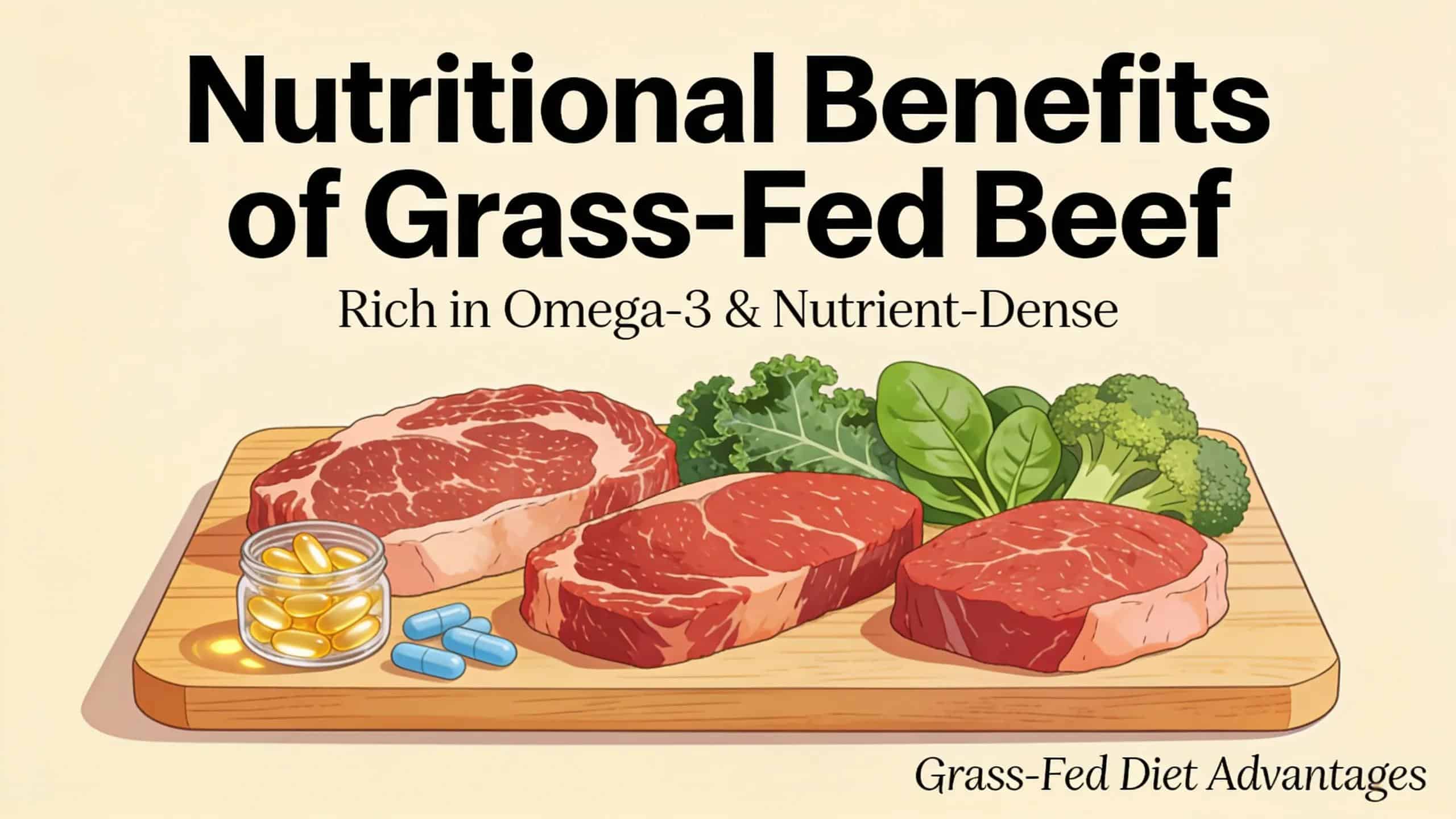
Grass-fed beef is praised for its remarkable nutritional benefits that set it apart from conventional grain-fed beef. This type of beef boasts a healthier fat profile, primarily due to its natural feeding regime. One key aspect is its higher content of omega-3 fatty acids, which are known to combat inflammation and promote heart health. Furthermore, grass-fed beef contains higher levels of conjugated linoleic acid (CLA), a beneficial fat linked to numerous health advantages, including weight management and improved immunity. These nutritional components contribute significantly to overall health, making grass-fed beef an appealing option for families committed to nutritious eating.
Research further supports that grass-fed beef offers a healthier fat composition, with lower total saturated fatty acids and a more favorable omega-3 profile compared to grain-fed beef.
Nutritional Superiority: Grass-Fed Beef’s Fatty Acid Profile
Beef from grass-fed contains lesser total fat than that from grain-fed in all breeds of cattle. Reduced total fat content also influences the fatty acid composition of beef. A 100 g beef meat from grass-fed cattle contained 2,773 mg less total saturated fatty acids (SFA) than that from the same amount of grain-fed. Grass-fed also showed a more favorable SFA lipid profile containing less cholesterol-raising fatty acids (C12:0 to C16:0) but contained a lesser amount of cholesterol-lowering C18:0 than grain-fed beef. In terms of essential fatty acids, grass-fed beef showed greater levels of trans-vaccenic acid and long-chain n-3 polyunsaturated fatty acids (PUFA; EPA, DPA, DHA) than grain-fed beef. Grass-fed beef also contains an increased level of total n-3 PUFA which reduced the n-6 to n-3 ratio thus can offer more health benefits than grain-fed. The findings signify that grass-fed beef could exert protective effects against a number of diseases ranging from cancer to cardiovascular disease (CVD) as evidenced by the increased functional omega-3 PUFA and decreased undesirable SFA.
Fatty acid composition of grain-and grass-fed beef and their nutritional value and health implication, KMC Nogoy, 2022
How Does Grass-Fed Beef Provide Enhanced Omega-3 Fatty Acids and CLA?
The nutritional profile of grass-fed beef is significantly boosted by its omega-3 fatty acid content. Cattle grazing on pasture consume natural grasses, which are rich in omega-3s, resulting in beef that can contain up to three times more omega-3 fatty acids compared to grain-fed counterparts. These fatty acids are essential for heart health and cognitive function. Additionally, grass-fed beef is a rich source of CLA, known to aid in fat loss and improve muscle mass. Regularly incorporating grass-fed beef into a diet can lead to multiple health benefits that support overall wellness.
Which Vitamins and Natural Nutrients Elevate Grass-Fed Beef’s Health Profile?
Beyond its fatty acid content, grass-fed beef is enriched with a variety of vitamins and nutrients that further enhance its health benefits. It is an excellent source of vitamins A and E, both powerful antioxidants that promote a healthy immune system and protect against oxidative stress. Additionally, grass-fed beef has higher levels of B vitamins, which are crucial for energy metabolism and brain function. The combination of these vitamins solidifies grass-fed beef’s role as a key component of a health-conscious diet.
Sustainability Aspects
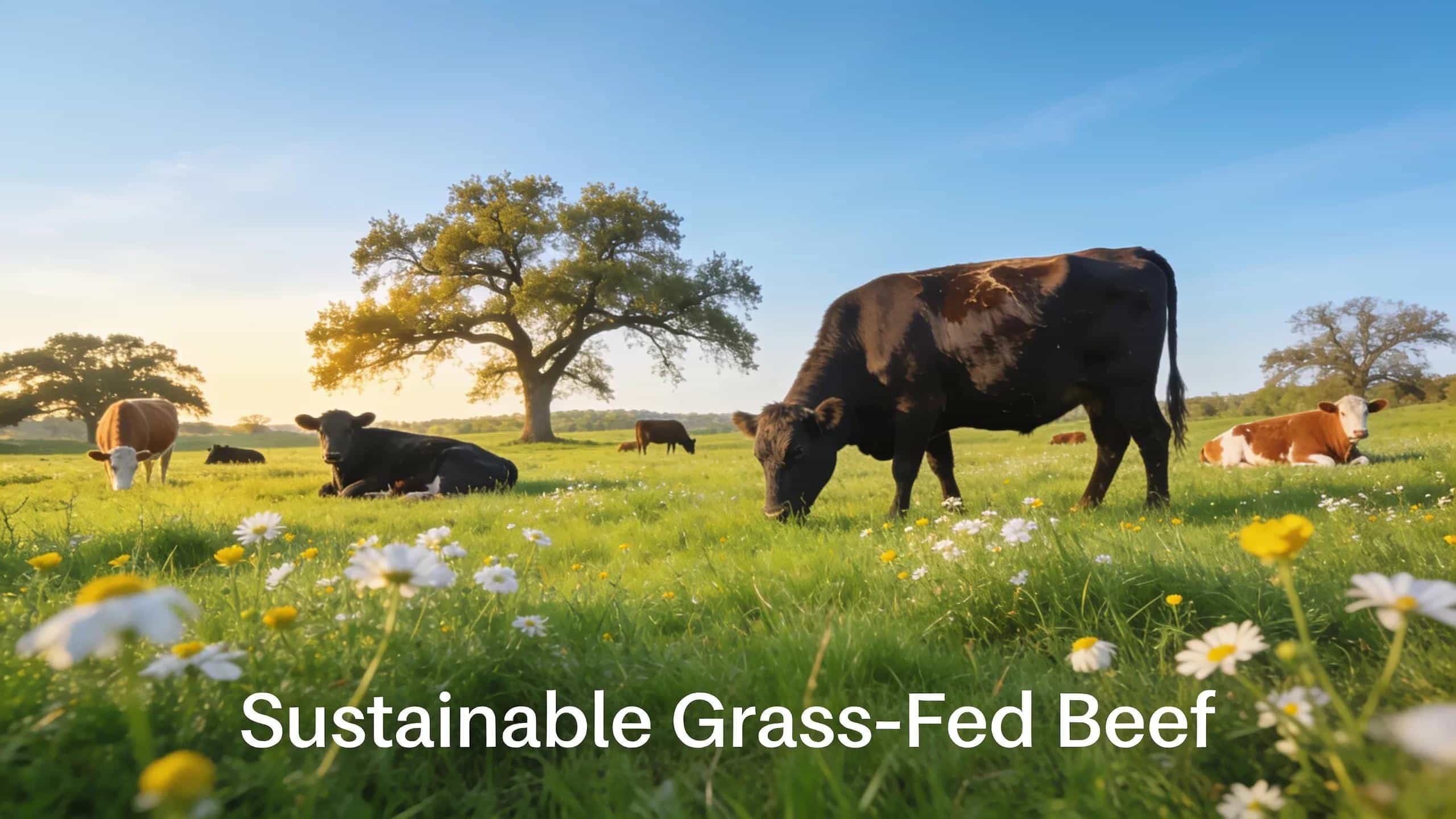
The choice to consume grass-fed beef is not just about health; it also extends to environmental and ethical considerations. Grass-fed beef production is inherently more sustainable than traditional grain-fed beef, primarily due to the farming practices utilized. The pasture-based systems promote biodiversity and reduce the need for synthetic fertilizers and pesticides, leading to healthier ecosystems. Moreover, ethical farming practices ensure better animal welfare, as cattle are allowed to graze naturally and are not subjected to the stresses often seen in feedlots. Understanding these sustainability advantages can positively influence consumer decisions towards health-centric and environmentally responsible food choices.
Why Do Health-Conscious Families Prefer Pasture Raised Beef for Wellness?
Many health-conscious families prefer pasture-raised beef because it aligns with both their dietary needs and their ethical beliefs. The nutritional advantages associated with pasture-raised beef, such as higher levels of omega-3s and vitamins, directly correlate with the wellness goals of these families. Furthermore, the ethical considerations of animal welfare resonate deeply with consumers who prioritize sourcing from farms that practice humane treatment. This approach not only supports individual health but also reflects a commitment to sustainable agriculture.
How Does Pasture Raising Guarantee Superior Animal Welfare and Antibiotic-Free Meat?
Pasture raising ensures that cattle have a natural lifestyle, leading to less stress and healthier animals. By providing cattle with ample space to roam, graze, and interact, pasture-raised systems promote animal welfare significantly more than conventional feedlot practices. Health benefits include reduced susceptibility to diseases, which can lead to lower antibiotic use. This method provides consumers with cleaner, antibiotic-free meat and enhances the overall quality of the product.
Culinary Excellence
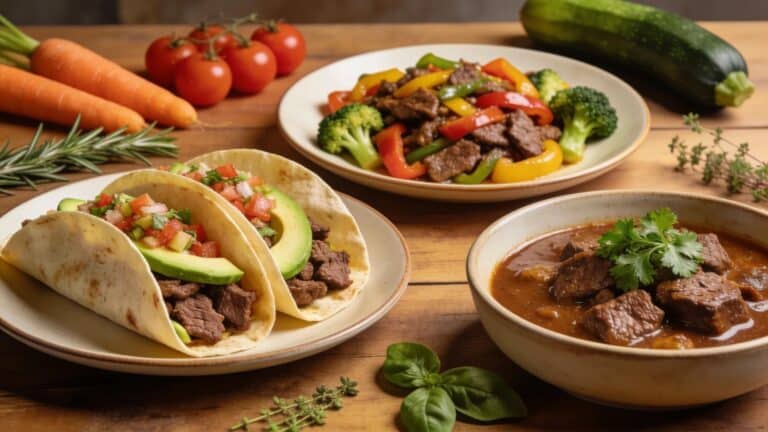
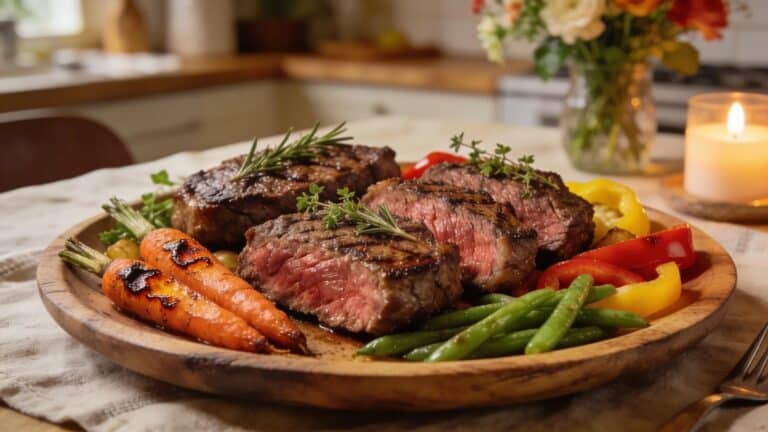
One of the standout features of grass-fed beef is its culinary versatility and rich flavor profile. Many chefs and home cooks alike appreciate the distinct taste and tenderness of premium grass-fed cuts, which derive from the natural diet and healthier living conditions of the animals. Moreover, cooking methods suitable for grass-fed beef, such as slower cooking or gentle grilling, can bring out its rich flavors while maintaining tenderness. This culinary excellence makes grass-fed beef an ingredient that elevates any meal while adhering to health-conscious dietary choices.
What are the Proven Heart Health Benefits of Consuming Grass-Fed Beef?
Consuming grass-fed beef is linked to various heart health benefits, largely attributed to its beneficial fatty acid composition. The omega-3 fatty acids present in grass-fed beef help reduce inflammation and promote heart health. Studies suggest that diets enriched with these beneficial fats can lead to lower cholesterol levels and a decreased risk of cardiovascular diseases. In this way, integrating grass-fed beef into a balanced diet serves to bolster heart health while enjoying delicious meals.
In What Ways Does Grass-Fed Beef Promote Environmental Sustainability for Responsible Consumers?
Grass-fed beef production promotes environmental sustainability through improved land use and lower carbon footprints. Grazing cattle contribute to soil health through natural fertilization, which can enhance the land’s capability to sequester carbon. By choosing grass-fed beef, consumers not only enjoy the health benefits but also contribute to environmentally responsible farming practices that mitigate climate change and preserve ecosystems, making it a conscious choice for eco-aware individuals.
How Can Families Identify and Source Truly Premium Grass-Fed Beef?
When seeking premium grass-fed beef, families should look for specific indicators that verify the quality and authenticity of the product. Certification labels indicating grass-fed or pasture-raised are crucial, as they ensure that the beef comes from cattle that have lived in humane conditions. It’s also beneficial to inquire about the sourcing practices of local suppliers and their farming methods. Exploring the authenticity of grass-fed beef allows families to make informed choices that align with their health and ethical standards.
What Are the Indicators of Authentic Grass-Fed Beef Omega-3 Levels and Nutritional Quality?
To identify authentic grass-fed beef that truly maximizes omega-3 levels and nutritional quality, consumers should pay attention to labeling that specifies the percentage of grass in the diet of the cattle. Labels stating “100% grass-fed” often indicate higher omega-3 levels. Additionally, sourcing from farms with transparent practices regarding their cattle’s diet can further assure quality. Knowledge of these indicators enables families to confidently select grass-fed beef that enhances their nutritional intake.
Where Can Health-Focused Families Purchase Verified Sustainable Grass-Fed Beef?
Health-focused families can find verified sustainable grass-fed beef through reputable e-commerce platforms specializing in organic and sustainably sourced products. Companies like Rosewood Beef serve health-conscious families and food enthusiasts with premium pasture-raised beef options that emphasize nutritional quality and sustainable farming practices. Online transparency regarding sourcing and farming methods plays an essential role in ensuring quality for consumers looking to enhance their diet with nutritious choices.